


Published 23 October 2026 · Sources checked 23 October 2026
Serbia is an EU candidate, but the relationship is already economic. The European Commission says the EU accounted for 58.3% of Serbia's goods trade in 2024: 61.1% of exports and 56.3% of imports. Those are dated trade shares, not a forecast of accession. They show why demand and rules inside the EU matter to factories, suppliers and consumers in Serbia now. Commission country fiche ↗
Growth and its weak points
The IMF projected 2.8% growth in Serbia for 2026 in its June review, after 2% in 2025. It identified external and domestic headwinds, including energy risks, trade uncertainty and domestic protests. The IMF also recorded 3.3% year-on-year inflation in April. None of those figures is a current monthly reading in October. IMF review and forecast ↗
The connection to France is indirect but concrete: slower growth in a large European market can weaken demand through supply chains. The evidence here establishes Serbia's substantial EU exposure, not a measured France-to-Serbia effect. To quantify that narrower link, one would need bilateral trade and sector data.
What the street tells us—and does not
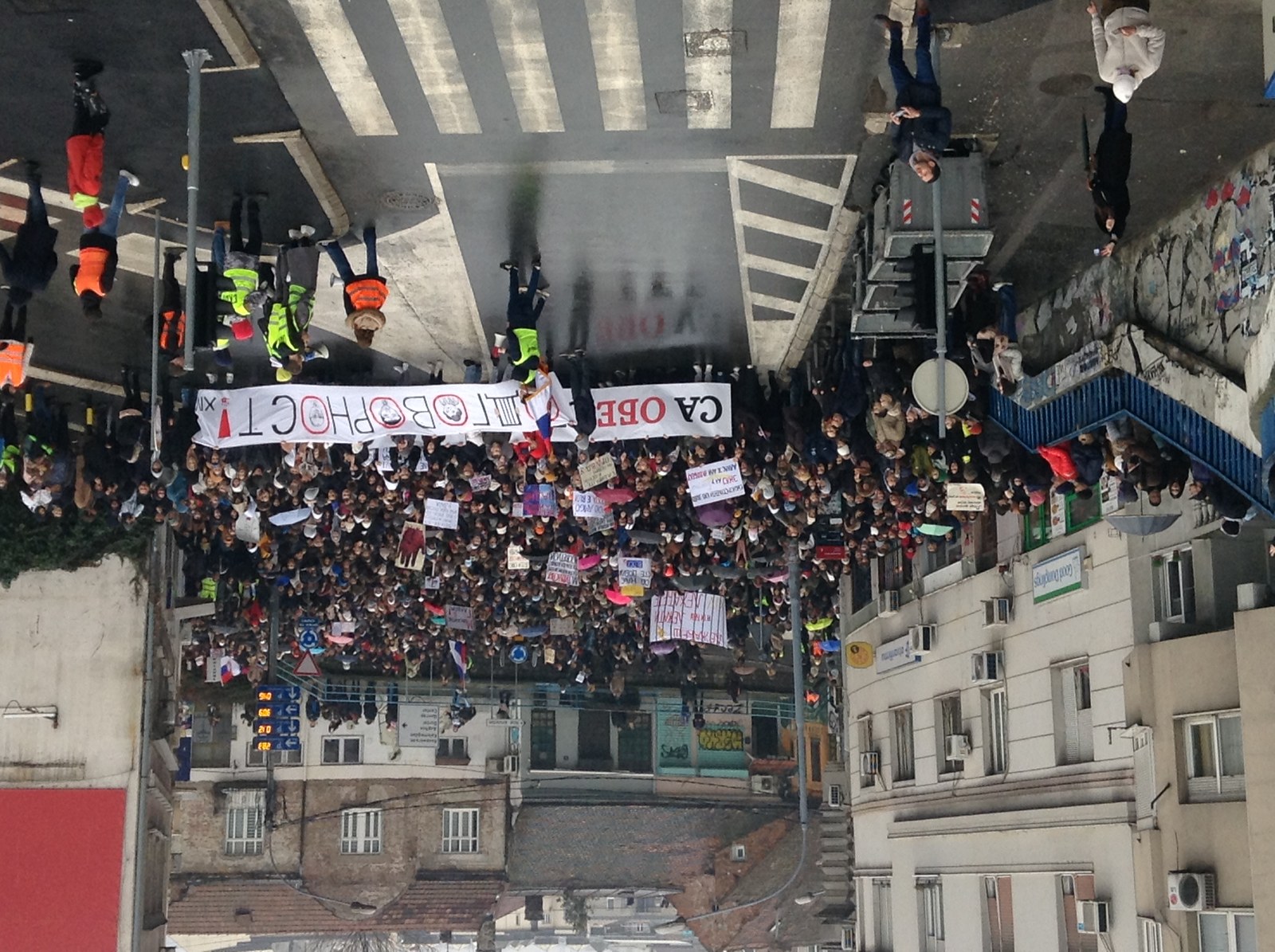
Belgrade saw major demonstrations during 2025. The photograph below documents one on 24 January 2025. It is historical context, not a claim that this scene took place in October 2026 or that its participants held a particular view on trade and payments. Political uncertainty matters economically because it can delay investment and policy decisions, but the size of that effect is difficult to isolate from energy and foreign demand.
Integration you can use
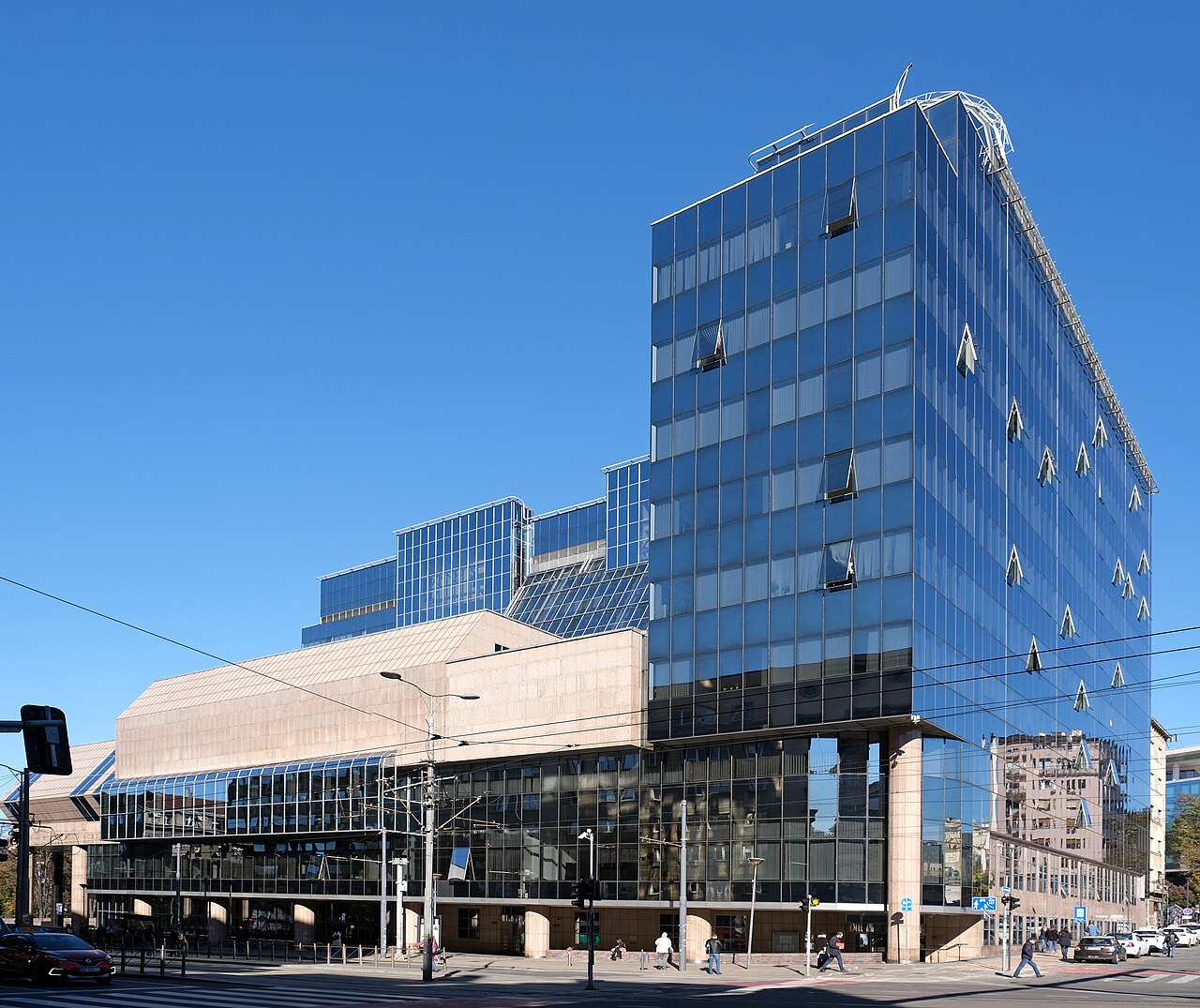
On 5 May 2026, the Commission said 18 Serbian banks had joined SEPA schemes. It described faster and cheaper euro transfers as the aim, and estimated potential savings of up to €400 million for people and businesses. That is a potential benefit, not savings already measured. It does not make Serbia an EU member or a euro-area country. Commission SEPA announcement ↗
Editorial reflection
Serbia's position is best understood through overlapping timelines. Trade integration is long established; payment integration moved forward this year; EU accession remains a separate political process. The useful test for each step is practical: lower costs, clearer rules and institutions people can trust.
The panorama above was photographed in 2014; the protest and bank images are dated separately. IMF growth is a June projection, not an October result.