


Published 23 October 2026 · A sourced synthesis, not a claim that one event caused another
France's October protests, Serbia's growth outlook and Europe's payment experiments are different stories. Their useful common ground is that households and firms feel the cost of prices, trade and moving money, while governments and institutions decide the rules. It would be misleading to say that a march in Paris caused a change in Belgrade, or that a digital euro would resolve either country's political tensions.
Link one: European demand and Serbian production
The EU accounted for 58.3% of Serbia's goods trade in 2024, according to the Commission. That is a measured relationship. If European demand weakens, Serbian exporters can face pressure; the IMF's June review names external headwinds among the risks to its 2026 growth projection of 2.8%. It does not assign a precise effect to France specifically. Commission trade data ↗ IMF outlook ↗
Link two: prices and public choices
France recorded 3.1% annual consumer-price inflation in September and a debt ratio of 119.0% of GDP at the end of the second quarter. Those facts frame debates over household help, school spending and fiscal room. They do not explain every reason people marched, nor do they imply one inevitable policy response. INSEE dashboard ↗ INSEE debt figures ↗
Link three: the cost of cross-border payments
Serbia's entry into SEPA schemes through 18 banks in May 2026 offers a practical example of financial integration before EU membership. The Commission estimates potential savings, but the actual effect needs measurement over time. The ECB's digital euro pilot and private euro stablecoins are other payment stories with different issuers, legal claims and risks. They should not be treated as substitutes without examining a specific transaction. Commission SEPA announcement ↗ ECB pilot ↗
Link four: public money and an auditable trail
The protests and economic pressures in these countries raise questions about how public choices are made and where funds end up. Blockchain does not explain the causes of either protest. It could, however, provide part of an answer to a different civic question: can residents trace an approved public payment to a verified recipient and then test whether the promised work happened? The World Bank's FundsChain initiative ↗ is an example of project-level payment tracking with documents shared among stakeholders. It shows a practical use for distributed records, though it does not establish that corruption fell or that all records are open to the public.
A public chain adds visibility into transfers, but only if authorities publish trustworthy wallet identities, contract details and the spending decisions behind them. As the FATF notes ↗, public-chain records are pseudonymous and some transfers occur off-chain. Open budgets, procurement records, beneficial-ownership checks and independent auditors are what turn a money trail into public accountability.
Two street scenes, two dates
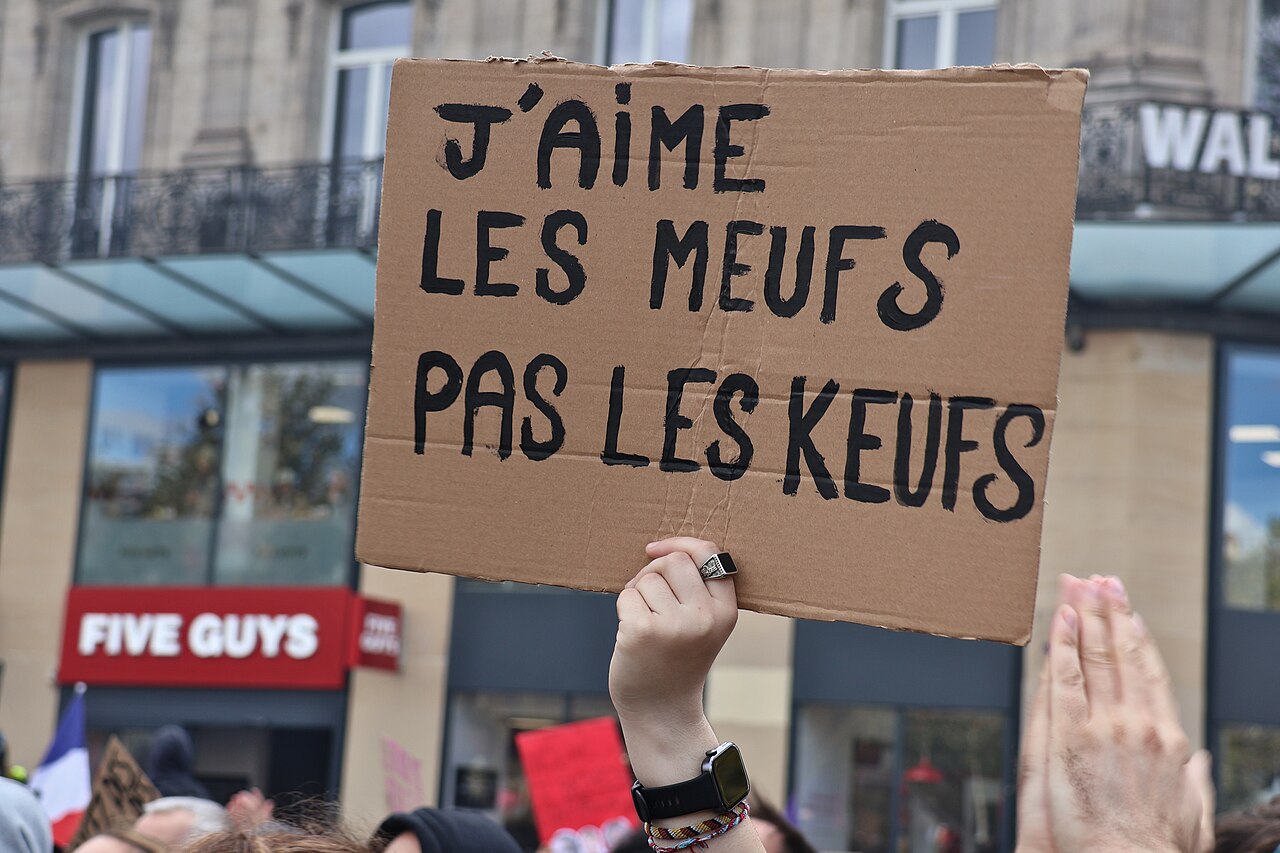
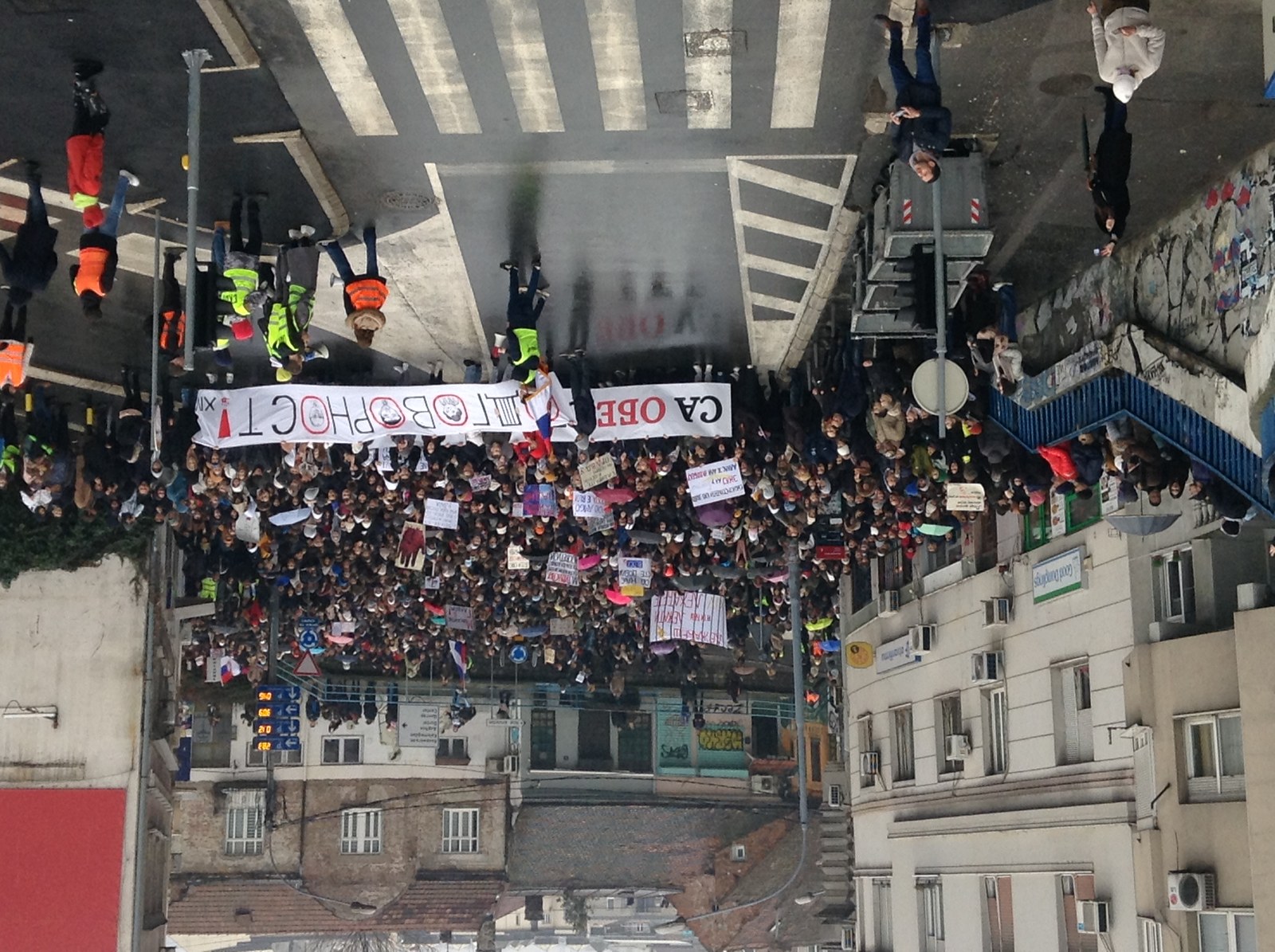
Documentary images can make European debates tangible, but date discipline matters. The Paris march above was photographed this month. The Belgrade demonstration below was photographed in January 2025. The pictures show people in public space; they do not establish a shared cause or a direct political link.
Editorial reflection
European trade, prices and payment systems shape the options people have. Publicly traceable spending could add another form of accountability: a citizen might follow a budget decision through to a payment and ask whether the work was delivered. That is a promising direction for a society that wants less room for hidden deals. It still requires local evidence, trustworthy records and institutions willing to investigate what the trail reveals.
Dates, source links and limits are given for each claim. The photographs illustrate places and specific dated events; neither is evidence of a causal economic link.