

Published 23 October 2026 · Reporting and data checked 23 October 2026
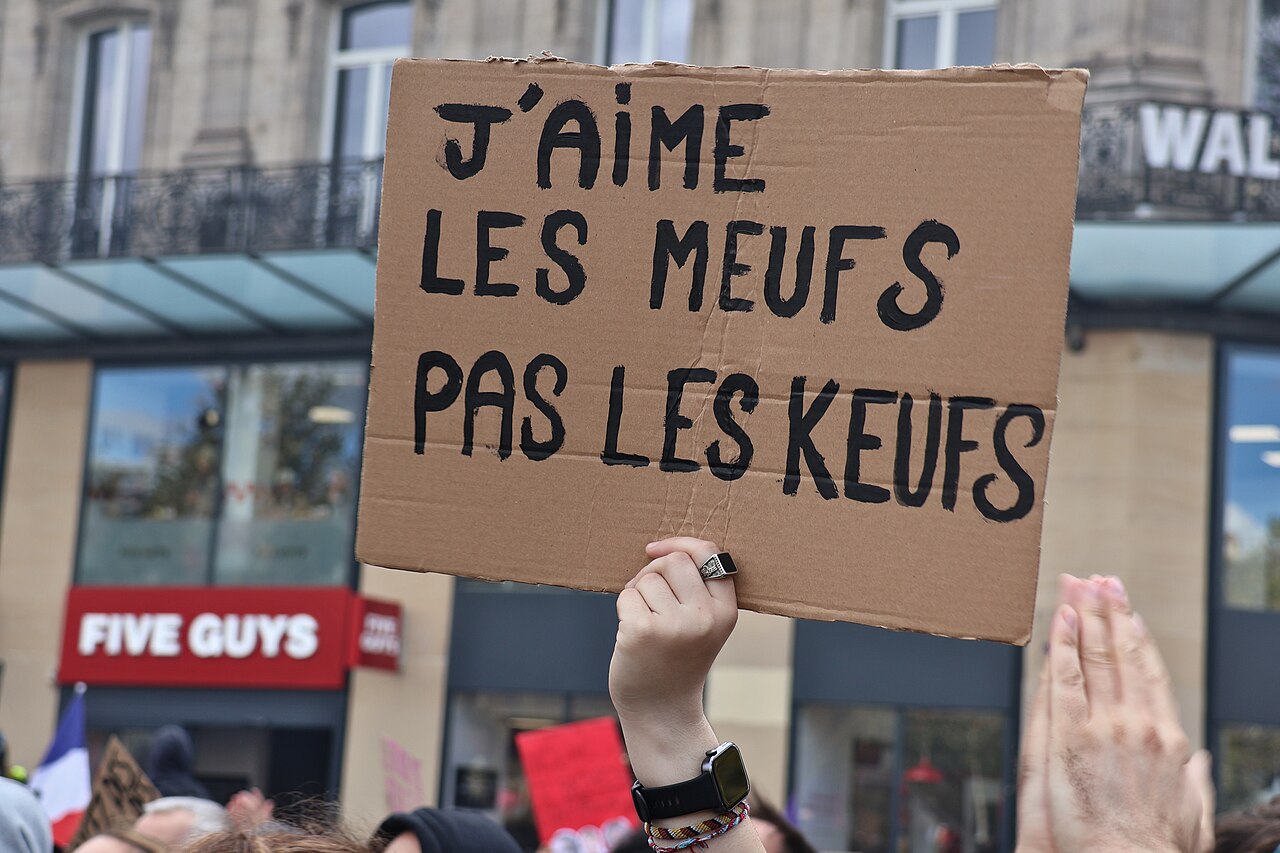
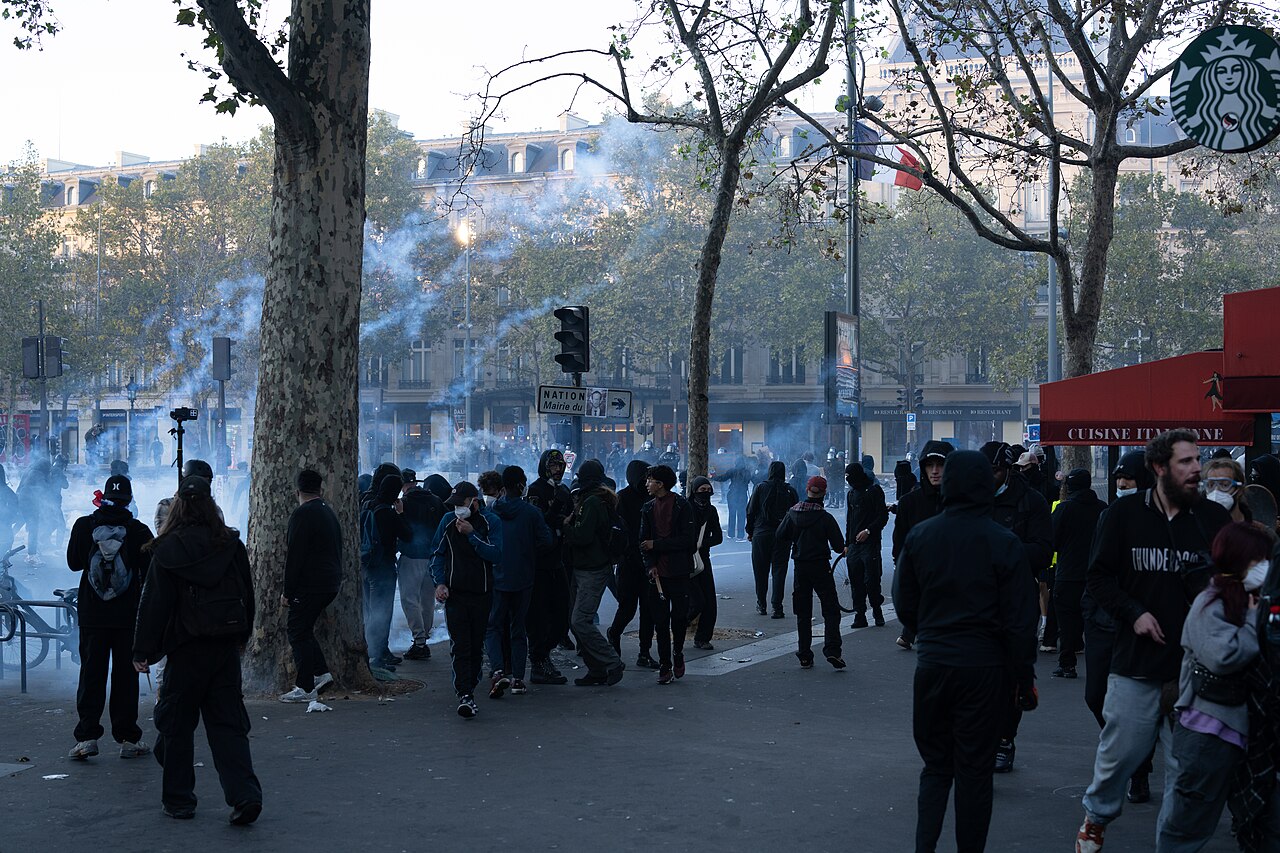
On 17 October, people marched across France over living costs and conditions in schools. Many demonstrations were peaceful; clashes, fires and looting occurred around some of them. That distinction is essential to understanding the week. A photograph of a march cannot identify who later committed violence, and images of violence cannot stand for everyone who marched. Associated Press account of 17 October ↗
What changed during the week
The student movement had been building since September around staffing and facilities. The 17 October mobilisation brought students together with people focused on wages, prices and public services. On 22 October, thousands gathered in Paris after a court lifted a protest ban, while other cities kept restrictions in place. The dispute had become about the right to demonstrate as well as the government's ability to maintain order. AP on the 22 October march and bans ↗
The costs beneath the argument
France's statistics office recorded consumer prices 3.1% higher in September than a year earlier, unemployment at 8.3% in the second quarter, and no quarter-on-quarter GDP growth in that quarter. These are different measures with different reference periods. They do not prove why any individual went into the street, but they help explain why wages and services are prominent subjects. INSEE economic dashboard ↗
Fiscal choices are constrained too. INSEE reported government debt at 119.0% of GDP at the end of the second quarter. In May, the European Commission forecast a deficit of 5.1% of GDP for 2026. The quarterly debt number is an observation; the deficit number is a forecast that can change. Neither makes a specific spending choice inevitable. Both make the cost of competing proposals harder to avoid. INSEE debt release ↗ Commission forecast ↗
Order and accountability
As of 23 October, police tactics were under scrutiny after serious injuries to teenagers during the unrest, while officers also faced attacks and difficult crowd-control conditions. The facts of each injury need individual investigation. A functioning public debate can examine both the violence against people and property and whether the state's response was proportionate. AP on police tactics and injuries ↗
What is connected, and what remains open
School complaints, purchasing power and distrust of official responses met in the same protests. The public-finance data describe the government's room for manoeuvre; they do not identify the motives of every demonstrator or explain every clash. Google Trends showed increased searches for “manifestation” and “maintien de l'ordre” in France when checked on 23 October. That shows attention to those terms, not the size or views of a movement. Changing Google Trends page ↗
Editorial reflection
The most useful next reporting would follow three trails separately: school staffing and facilities, the real household effect of prices and wages, and case-by-case scrutiny of violence and policing. Bringing them together helps explain the pressure on France. Blurring them makes it harder to see where action is needed.
This article separates observed data, reported events and interpretation. The Trends page is live and its ranking can change. No photo here establishes a protester's motive or a person's guilt.